
Safety Protocols and Player Protection in Fishin Frenzy Slot for UK
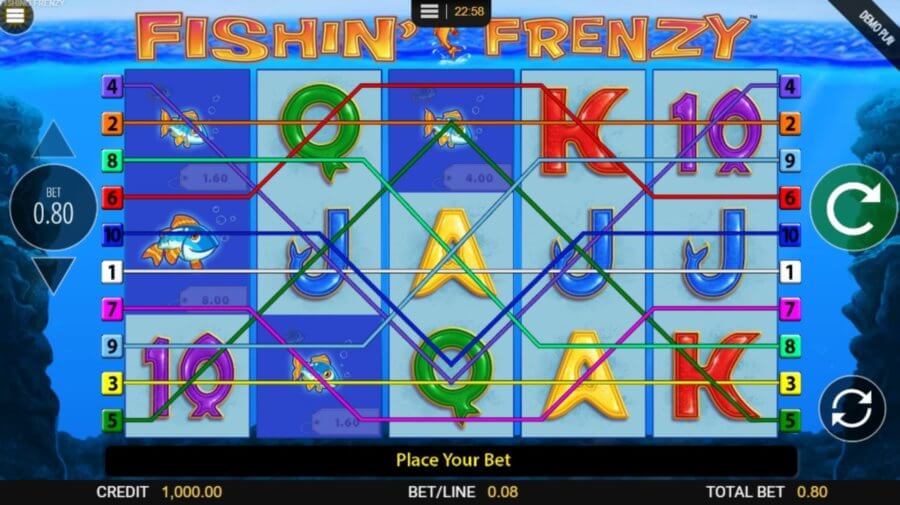
If you happen to be a UK player looking at Fishin Frenzy Slot, you need to know the game is protected before you start playing https://fishinfrenzyslot.net/. The colorful graphics and large wins are one thing, but the protective measures is what enables you to play calmly and engage. This review explores the real mechanisms in place, from the permits that allow it to operate to the technology that keeps your data private. We will examine the security coding, the integrity credentials, and the options you can employ to manage your gaming. Knowing how these pieces work in unison gives you a clear picture of what protection really entails on a approved UK slot.
Transparent Gaming and RNG Approval
A slot’s integrity hinges on its Random Number Generator (RNG). This program produces thousands of random number streams every second. As soon as you click spin, it sets the outcome. For Fishin Frenzy Slot to be honest, this RNG must be completely unpredictable and immune to external interference. UKGC-licensed operators must have their RNG and game software checked routinely by third-party auditors. Organizations including eCOGRA, iTech Labs, or Gaming Laboratories International (GLI) conduct these tests. They confirm the randomness of the RNG and confirm that the published Return to Player (RTP) percentage matches the claimed value. Fishin Frenzy Slot generally offers an RTP around 95%, a figure these tests confirm. Players can commonly find the audit reports in public, and sites commonly exhibit the auditor’s seal on their site. Third-party auditing ensures each spin is purely random, ensuring the honesty the UKGC demands.
Licensing and Supervisory Oversight: The UKGC Framework
The UK Gambling Commission (UKGC) licence is the foundation for any legal slot in the UK, and Fishin Frenzy is no exception. View it as the foundation. The UKGC doesn’t just provide a piece of paper; it actively applies rules on fair play, combating money laundering, verifying who you are, and helping players who might be struggling. To keep its licence, the company behind the game must show its software is secure, its games are fair, and it works transparently. The Commission can issue unlimited fines or terminate operations entirely for serious breaches. For you, a valid UKGC licence means the operator has a legal duty to safeguard your money, keep your details private, and offer a genuinely random game. You can usually find the licence number at the bottom of the website. It’s a good habit to check this number against the UKGC’s public register, a simple step that verifies you’re on the right site.
Data Security: Encryption and Financial Safety
Whenever you register, add money, or play the slots, you provide personal information. For operators licensed by the UKGC, robust technical safeguards are a basic requirement. The benchmark is 128-bit or higher Secure Socket Layer (SSL) encryption. This technology scrambles the data transferred between your smartphone and the operator’s servers, turning it into a code that’s unreadable to anyone who might intercept it. It is the same level of security your online bank uses. Trustworthy casino sites add sophisticated firewalls and house their servers in secure data centres. Regarding payments, employing reputable processors like PayPal or Visa introduces another protective layer, often featuring additional security measures like 3D Secure. A key point is the segregation of player deposits. Your deposited funds needs to be stored in segregated client accounts, separate from the operator’s operational accounts. This UKGC regulation ensures your money is secure if the company faces financial trouble, prioritizing your financial protection.
Key Components of a Safe Transaction
Let’s explore what takes place during a secure deposit. You tap to deposit, and your browser builds a secure connection. You’ll see ‘https://’ in the address bar and a padlock symbol. That’s your visual cue the SSL certificate is functioning. Your card details are rapidly encrypted into a complex, scrambled code. This coded data moves across the internet and can only be decrypted by the operator’s secure payment gateway. Many platforms now use tokenisation for extra safety. Here, your card information is replaced for a unique, random string of characters called a token for future use. Your real financial details aren’t stored on the operator’s central servers, which significantly lowers the risk if a system is ever compromised. This layered defence is common practice for any licensed UK gambling site.
Security Security Protocols
Security is more than your payment moment. It represents continuous work in the background. Reputable operators manage internal access to your data under tight controls. Staff have access only the information they need for their designated task, and all access to your data is documented and reviewable. Routine vulnerability assessments shows strong security measures. In these tests, ethical hackers try to find weaknesses before real criminals can. All websites processing card payments must adhere to the Payment Card Industry Data Security Standard (PCI DSS). This set of rules covers security management, network structuring, and software engineering. You won’t see these protocols in action, however missing them would be a critical flaw. They work together to ensure your personal information stays private and intact from the moment you share it.
Safe Gameplay: Account and Connection Security
Your safety while you are playing is just as important. This covers everything from stopping others accessing your account and ensuring your session stays private. A basic but crucial feature is strong password enforcement, necessitating a blend of alphabetic, numeric, and symbolic characters. The ability to enable Two-Factor Authentication (2FA) is an indicator of a trustworthy gaming site. When using 2FA, you must provide a second verification step, usually a code sent to your phone. This implies a compromised password by itself won’t suffice. Regulated casinos also have auto-logout after a set idle time, locking your account when you step away from your device. Regarding game integrity, the software must be loaded directly from the operator’s protected servers or a legitimate app store. This guarantees the game is unaltered. Your connection should stay encrypted the whole time, protecting your in-game actions and balance. Collectively, these security features encase your play within a secure environment.
Transparent Policies and Available Support
The final piece is how clearly an operator shares its security rules. Easy-to-understand, easy-to-find documentation is a mark you can trust them. You ought to be able to get to the key policies without digging. A simple complaints procedure is particularly important. It should detail how to raise a dispute and point you to no-cost, independent arbitration through an Alternative Dispute Resolution (ADR) service, which is a UKGC must-have. Reachable customer support is just as vital. If you have a security question, you need a quick answer. Seek multiple contact channels like live chat, email, and phone, with reasonable response times. Support agents should be prepared to handle security queries, not just gameplay issues. Having a dedicated responsible gambling team with trained advisors shows a deeper commitment to player welfare. This entire system turns the technical safeguards from abstract ideas into a reliable, human-backed experience. It assures you that if anything about your security on Fishin Frenzy Slot doesn’t feel right, there’s a skilled team ready to help fix it.
- Privacy Policy: This document details what data is collected, how it’s used, where it’s stored, and your rights under laws like the GDPR.
- Terms and Conditions: These set out the rules for using the site. They cover bonus rules, how to withdraw money, and policies for closing your account.
- Responsible Gambling Policy: This describes the operator’s approach to player protection, lists all the available tools, and gives links to organisations like GamCare for extra support.
- Complaints Procedure: This is a comprehensive guide on how to raise a concern, including expected response times and how to escalate the issue to an independent ADR provider if needed.
The relationship between these written policies and the quality of real support matters. An operator that trains its staff to answer security questions with confidence shows it has established a culture of protection. This final layer finishes the framework, giving you the information you need and the support to back it up.
Identity Verification and Age Assurance Steps
The Know Your Customer (KYC) process is a essential security step. Some players consider it a hassle, but it’s a vital protective wall. UKGC rules oblige operators to check your identity and age before you can play or withdraw money. This stops underage gambling, fraud, and money laundering. The process typically means uploading documents like a passport or a utility bill, which are verified against official databases. It might slow down your first withdrawal by a few hours, but its role is critical. It guarantees only adults can play, that the right person claims the winnings, and that criminal activity is stopped. For you, it adds a layer of account security, making it much harder for someone else to log into your account. Operators that lead you through this clearly and check documents quickly get it right. A site that doesn’t ask for these checks is operating illegally and should be steered clear of.
- Common Verification Documents: A government-issued photo ID (like a passport or driving licence), a recent proof of address (a utility bill or bank statement), and sometimes proof you control the payment method you used.
- Automated Checks: Many sites use electronic verification. These systems can instantly verify your details against public and credit databases, often finishing verification without you needing to upload any documents.
- Regular Monitoring: Verification isn’t a one-off. Operators watch transactions for unusual patterns that might suggest someone else has taken over your account, which can cause a request for re-verification.
- Age Assurance Technology: Some platforms use systems that calculate age from a webcam image or cross-reference data during sign-up to proactively stop someone who is underage.
Responsible Gambling Tools for User Safety
Real protection goes beyond firewalls and licences. It signifies providing you with effective strategies to regulate your activity. The UKGC requires all regulated platforms to supply a range of safe gambling features. Their purpose is to be preventative, assisting you to remain in charge before problems arise. When these tools are easy to find and simple to use, it demonstrates the site prioritizes your safety. I always look for how visible they are in the profile menu. Activating them is a responsible choice, not a sign of weakness. Although the UKGC mandates that casinos monitor for problematic behavior and intervene, these personal safeguards place you in the driver’s seat right away.
- Deposit Caps: You can define a daily, weekly, or monthly maximum deposit amount. Once you set a limit, you can’t raise it straight away; a cooling-off period applies.
- Loss Caps: This enables you to set a ceiling on losses over a specific time, establishing an absolute cutoff to avoid chasing losses.
- Wagering Limits: This limits the total wager amount within a defined period, regulating the pace of your gambling.
- Play Duration Notifications and Limits: Automatic alerts show how much time you’ve spent gambling. You can also set a time limit that will automatically log you out.
- Session Summaries: They are regular pop-ups displaying a recap of your active session, including elapsed time and overall outcome. Encouraging you to deliberately decide whether to continue or stop.
- Self-Exclusion: Should you require a prolonged break, you can lock yourself out of the site for six months or more. While excluded, your account is fully disabled and no marketing communications are sent.